

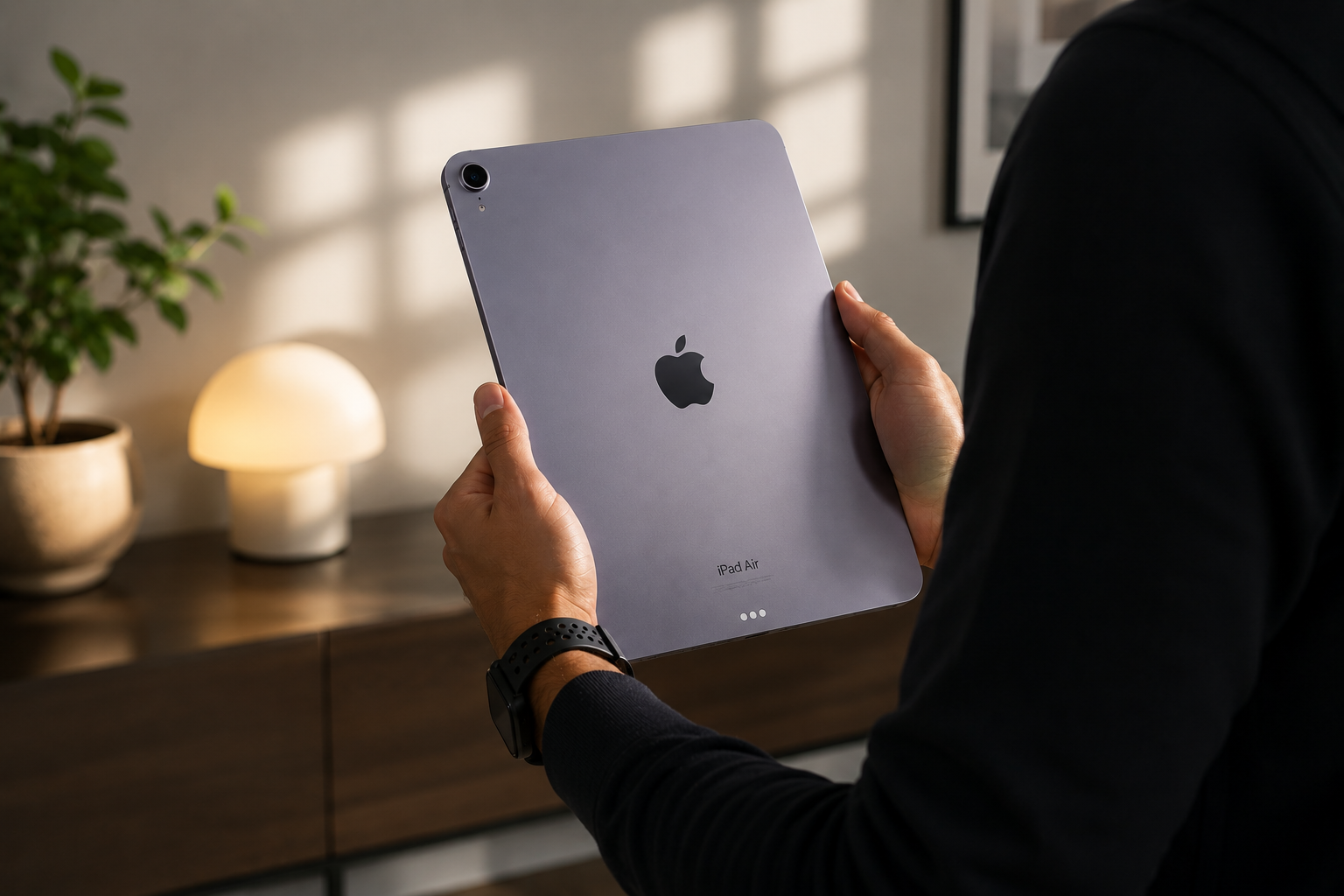
Apple raises prices of MacBooks, iPads as soaring memory costs continue to drive up production expenses. The latest price adjustments affect several MacBook and iPad models, reflecting the growing cost of NAND flash storage and DRAM memory used in modern devices.
Industry analysts say memory chip prices have climbed in recent months because of stronger demand for artificial intelligence (AI) hardware, data centers, and consumer electronics. Consequently, technology companies, including Apple, now face higher manufacturing costs.
Why Apple Raised Prices
Apple’s latest pricing changes apply to select configurations with higher memory and storage capacities. However, some base models remain unchanged. Meanwhile, customers choosing upgraded specifications may notice significant price increases.
The increase also comes as Apple continues expanding AI-powered features across macOS and iPadOS. Because of this, newer devices require more advanced memory and storage technologies.
What It Means for Consumers
Consumers planning to purchase a new MacBook or iPad should compare configurations carefully before upgrading. For example, buyers who need additional memory or storage could pay considerably more than they did a few months ago.
Even so, analysts believe demand for Apple’s premium devices will remain strong. After all, many customers continue to prioritize performance, battery life, and long-term software support.
Apple Products Affected
The latest adjustments affect select MacBooks, iPads, iMac models, Mac Studio desktops, Apple TV, HomePod speakers, and Vision Pro. In particular, products with larger memory and storage options experienced the biggest increases.
| Device | Old Price | New Price | Difference |
|---|---|---|---|
| HomePod mini | $99 | $129 | +$30 |
| HomePod | $299 | $349 | +$50 |
| Apple TV | $129 | $199 | +$70 |
| iPad | $349 | $449 | +$100 |
| iPad mini | $499 | $599 | +$100 |
| 11-inch iPad Air | $599 | $749 | +$150 |
| 11-inch iPad Pro | $999 | $1,199 | +$200 |
| 13-inch iPad Pro | $1,299 | $1,499 | +$200 |
| MacBook Neo | $599 | $699 | +$100 |
| 13-inch MacBook Air | $1,099 | $1,299 | +$200 |
| 14-inch MacBook Pro | $1,699 | $1,999 | +$300 |
| 16-inch MacBook Pro | $2,499 | $2,999 | +$500 |
| iMac | $1,299 | $1,499 | +$200 |
| Mac Studio (M4 Max) | $1,999 | $2,499 | +$500 |
| Mac Studio (M3 Ultra) | $3,999 | $5,299 | +$1,300 |
| Vision Pro | $3,499 | $3,699 | +$200 |
Industry Outlook
The decision reflects broader trends across the technology industry. Similarly, other hardware manufacturers continue to face higher component costs. Moreover, suppliers have adjusted production to meet growing global demand for AI-related hardware.
Looking ahead, analysts expect memory prices to remain elevated. Therefore, consumers may continue to see higher prices across premium technology products.
Frequently Asked Questions
Why did Apple raise MacBook and iPad prices?
Apple raised prices because memory components, including DRAM and NAND flash storage, have become more expensive. As a result, production costs increased.
Which Apple products are affected?
The increase mainly affects select MacBook and iPad configurations with higher memory and storage options. In addition, several other Apple devices also received price adjustments.
Will all Apple products become more expensive?
Not necessarily. Instead, price changes depend on the model, storage capacity, and regional market.
Should consumers buy now or wait?
Buyers should compare current prices with upcoming product releases. Ultimately, the best choice depends on their budget and performance needs. current prices and upcoming product releases before making a purchase, especially if they need upgraded memory or storage.
Join the conversation
DisqusComments are powered by Disqus and are not stored in the SpillPH WordPress database.