

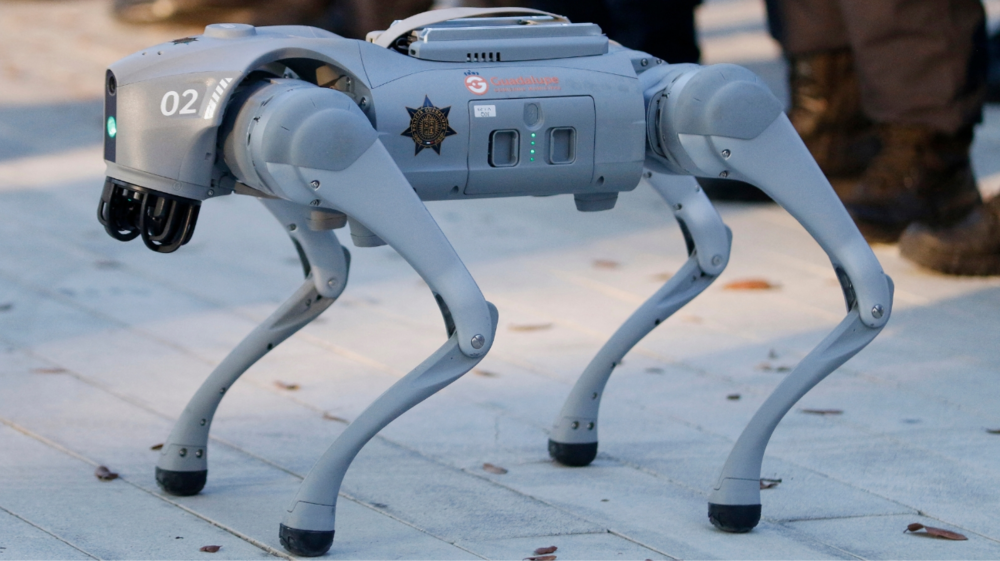
The rise of artificial intelligence has already introduced the world to AI chatbots, autonomous systems, and increasingly powerful data centers. Now, another futuristic technology is joining the mix: robot dogs.
Several companies operating large AI data centers have begun deploying advanced quadruped robots—often costing hundreds of thousands of dollars—to patrol facilities, monitor equipment, and enhance security, according to Fortune. The development has sparked fascination online, with many jokingly asking the same question: “Are we doomed?”
The short answer is probably not. But the reality is still remarkably futuristic.
Why AI Data Centers Need Robot Guards
Modern AI systems require enormous amounts of computing power. Behind every AI chatbot, image generator, and large language model are vast data centers filled with thousands of servers operating around the clock.
Protecting these facilities has become increasingly important as demand for AI services continues to surge worldwide. Data centers now house billions of dollars worth of hardware and process massive volumes of information every day.
Robot dogs are being introduced as part of this effort. Equipped with cameras, thermal sensors, LiDAR scanners, and artificial intelligence software, the machines can patrol large areas autonomously while detecting unusual activity or equipment problems.
Unlike human guards, they can operate continuously without fatigue and can access locations that may be difficult or hazardous for people.
What Can These Robot Dogs Actually Do?
The robots are far more than mechanical pets.
Many models can inspect server rooms, monitor temperatures, identify leaks, detect smoke, and scan infrastructure for signs of potential failures. Some are capable of creating detailed digital maps of facilities while transmitting real-time information to operators.
Advanced versions can even respond to alarms, conduct scheduled patrols, and use machine learning algorithms to identify anomalies before they become serious problems.
For operators managing enormous AI infrastructure, early detection of equipment issues can prevent costly downtime and improve overall reliability.
The robot dogs don’t come cheap. Depending on their configuration, onboard sensors, and specialized capabilities, a single unit can cost as much as $300,000. While that price tag may seem staggering, many AI companies and data center operators consider the robots a long-term investment rather than a simple security expense.
The Internet Has Thoughts
As images and videos of robot dogs guarding AI facilities spread online, reactions have ranged from excitement to concern.
Some users compared the machines to science fiction franchises, while others jokingly referenced dystopian movies where intelligent robots eventually take control. Social media quickly filled with memes depicting robot dogs protecting powerful AI systems from intruders—or from humanity itself.
The combination of artificial intelligence, autonomous robots, and massive computing centers has proven irresistible to internet humor.
Still, experts point out that today’s robot dogs are highly specialized tools designed for specific tasks. They are not sentient, self-aware, or capable of making independent decisions beyond their programmed functions.
Are We Actually Doomed?
Despite the dramatic headlines, the answer is no.
Robot dogs currently serve as practical industrial tools rather than science-fiction supervillains. Their primary purpose is to improve safety, automate inspections, and support human teams responsible for managing complex facilities.
The real conversation surrounding AI infrastructure is less about rogue robots and more about issues such as energy consumption, cybersecurity, data privacy, and the growing demand for computing resources.
As AI systems become more powerful, companies will continue searching for innovative ways to maintain and secure the facilities that power them. Robot dogs happen to be one of the more visible—and admittedly cooler—solutions.
The Future of AI Infrastructure
The deployment of robotic security systems reflects a broader trend toward automation across the technology industry. From autonomous inspections to predictive maintenance, organizations are increasingly relying on intelligent machines to manage critical infrastructure.
As AI data centers continue expanding, the use of robots is likely to become more common. Future versions may include more advanced sensors, greater autonomy, and deeper integration with facility management systems.
For now, however, humanity remains in control.
The robot dogs may be guarding the AI, but they’re still taking orders from humans—at least for the time being.
Join the conversation
DisqusComments are powered by Disqus and are not stored in the SpillPH WordPress database.